
Case study · Logistics
From manila folders to a dispatch platform. Over $1 million in sales.
A US trucking dispatch company turned its own spreadsheet-and-paper process into iDispatchHub, a subscription app now used by over 1,000 small carriers. The first version was live in about three months.
2x
Carriers managed with the same headcount
20+ hrs
Admin time saved every week
$1M+
In sales since the app launched
Client
Innovative Logistics Group (ILG), a US freight dispatch company led by Adam Wingfield. They dispatch for small trucking businesses: companies with fewer than ten trucks, which make up most of American trucking. The big transport management systems are too heavy and too expensive for them.
Problem
ILG ran dispatch for many carriers at once, with nothing built for that.
- Paper and spreadsheets. Loads, carriers and invoices lived in spreadsheets and manila folders.
- No agency-level view. There was no way to manage several companies at once, watch each dispatcher's performance, or reassign a pick-up in real time.
- Everything took too long. End-of-day invoicing, carrier onboarding and daily admin were slow. In Adam's words, "it just didn't look professional."
- A gap in the market. Small carriers had no dispatch software made for them, so ILG decided to build its own and sell it.
What we built
We understood the problem, then picked the platform that fits. We built iDispatchHub from the first version, and we still work as part of ILG's team, shipping changes as they need them.
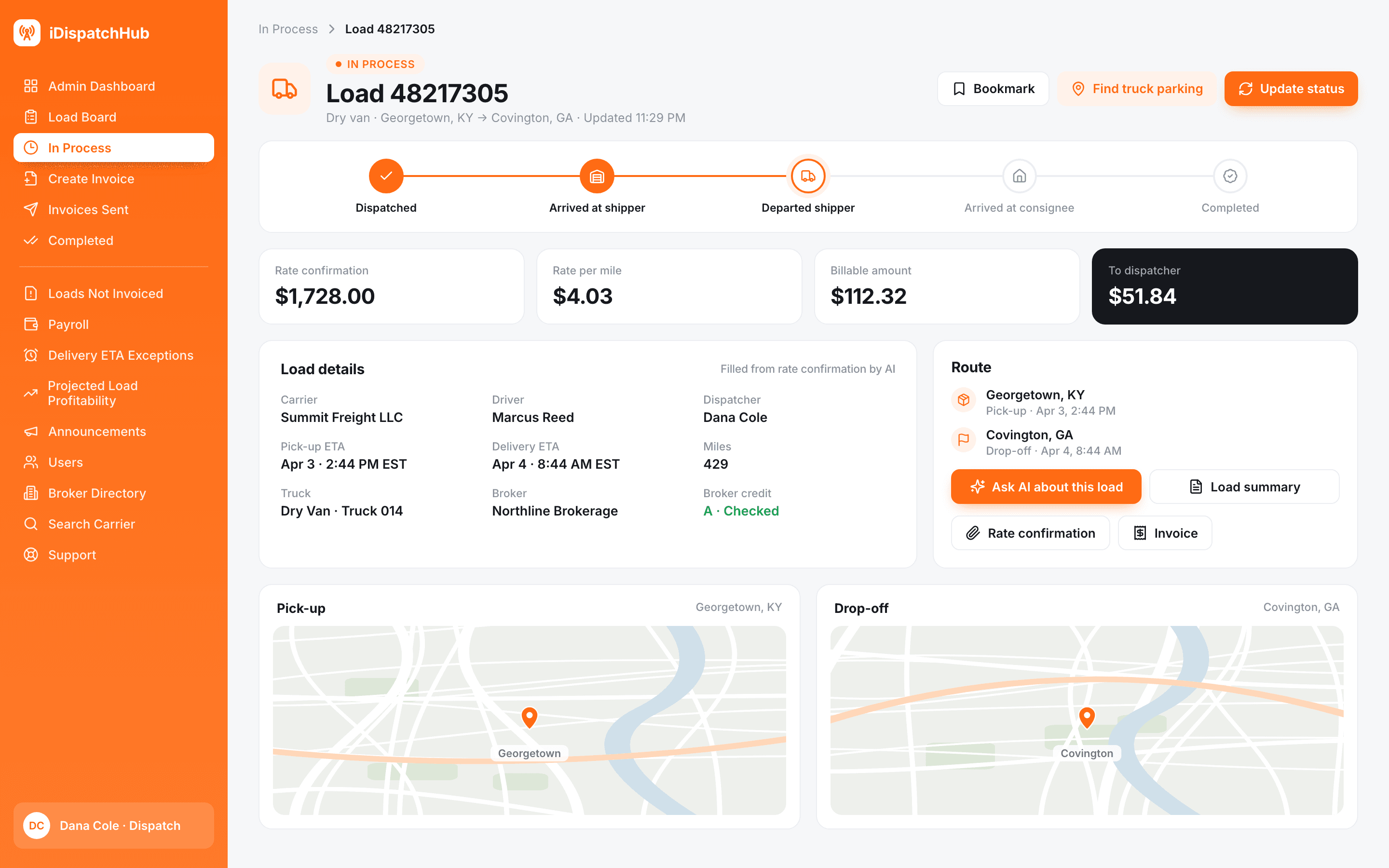
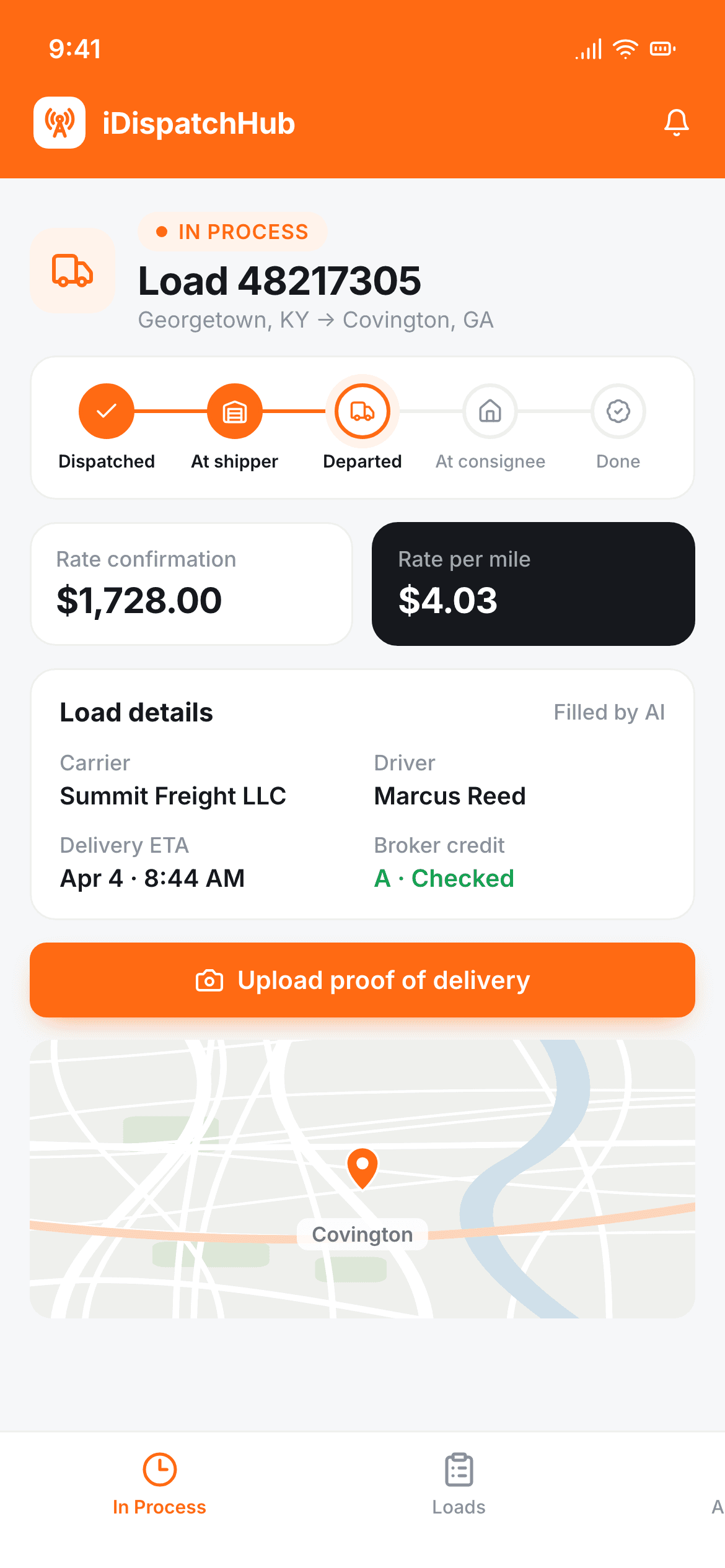
- One app for the office and the road. Dispatchers work from a computer and drivers from their phones. Drivers check in along the way, so the office always knows where every truck and load is.
- AI reads the rate confirmation. The dispatcher uploads the load's rate confirmation. The AI fills in the whole form, dispatches the truck and alerts everyone involved.
- Proof of delivery in one photo. The driver snaps a picture at drop-off. That closes the delivery and sends the proof to all parties.
- An owner's view of the whole operation. Managers see every dispatcher and carrier, benchmark performance and run unlimited reports.
- Built to sell. A subscription model lets other dispatch companies use the same app for their own carriers.
Before
Dispatch ran on spreadsheets, paper files and manual invoicing, one carrier at a time.
After
One app runs dispatch for many carriers. The AI does the paperwork, and the owner sees the whole operation live.
Results
- Twice the carriers, same team. The AI took enough admin off the team for them to handle double the carriers without hiring.
- 20+ hours a week saved on admin for dispatchers and support staff, now spent on load planning and customers.
- Over $1 million in sales since launch, through the subscription app.
- Over 1,000 users across the US, with a goal of 10,000.
- 12% more revenue on average reported by their clients, thanks to profitability alerts and reports in the app.
- Downtime and lead times down 25 to 30%, and user errors close to zero.
Timeline & scope
About 3 months to a live first version, then ongoing work as part of their team. Delivered: dispatcher, driver and admin apps, AI document reading, automatic alerts, proof of delivery, performance reporting, multi-company management and a subscription model.
In their words
“Whenever we want to make a change, we ping Hassan, and it's literally done that day.”
Figures are as reported by Innovative Logistics Group. Screens show the real app with sample data.
Related
More work like this.
Construction & field services · Internal Tools · Portals
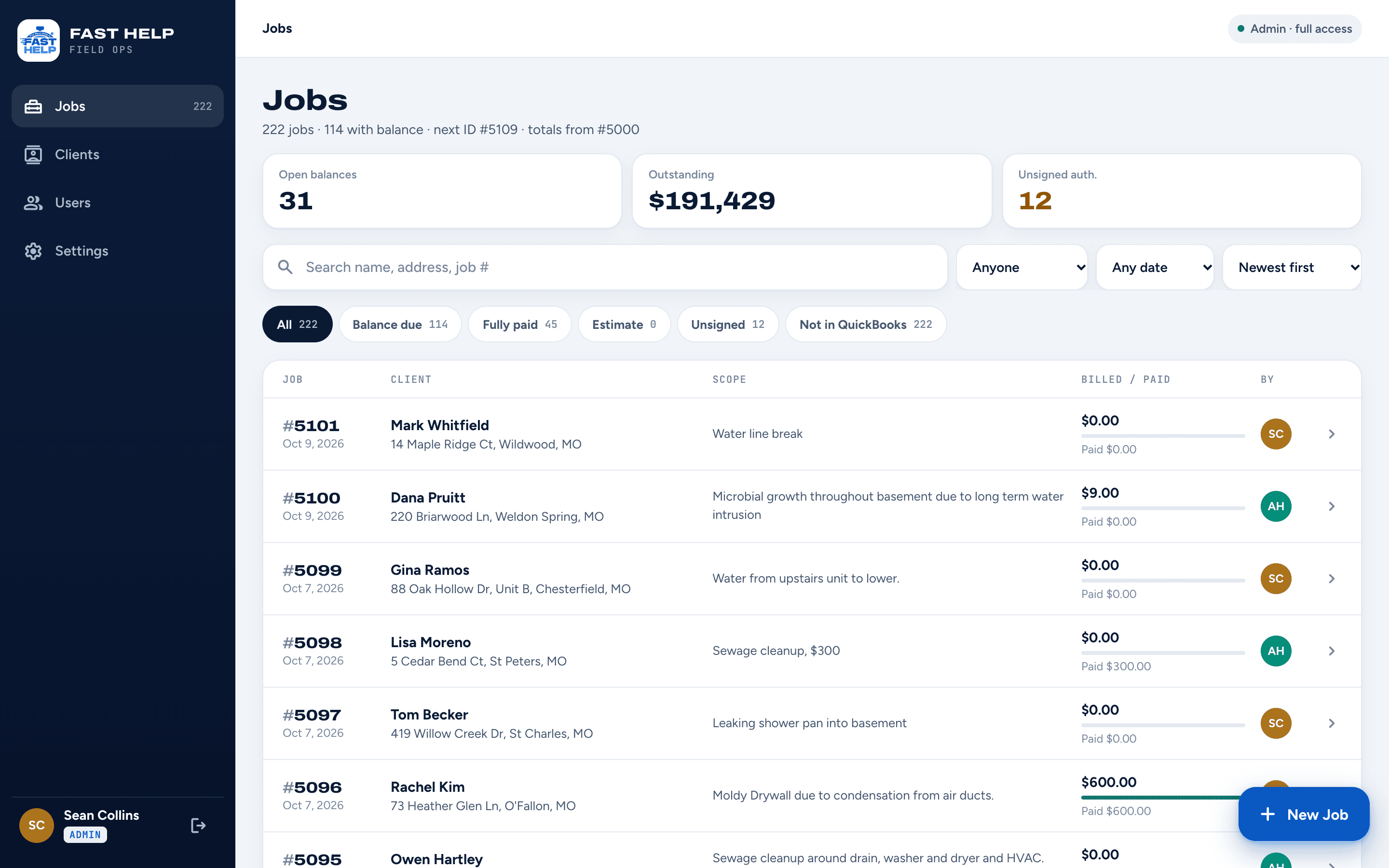
Every water job's photos, paperwork and payments. One app the crew carries all day.
A St. Louis water and fire restoration company now runs every job from one custom app, from the first photo to the signed authorization to the invoice. It was built and live in 21 days.
Construction & field services · Portals · Automation
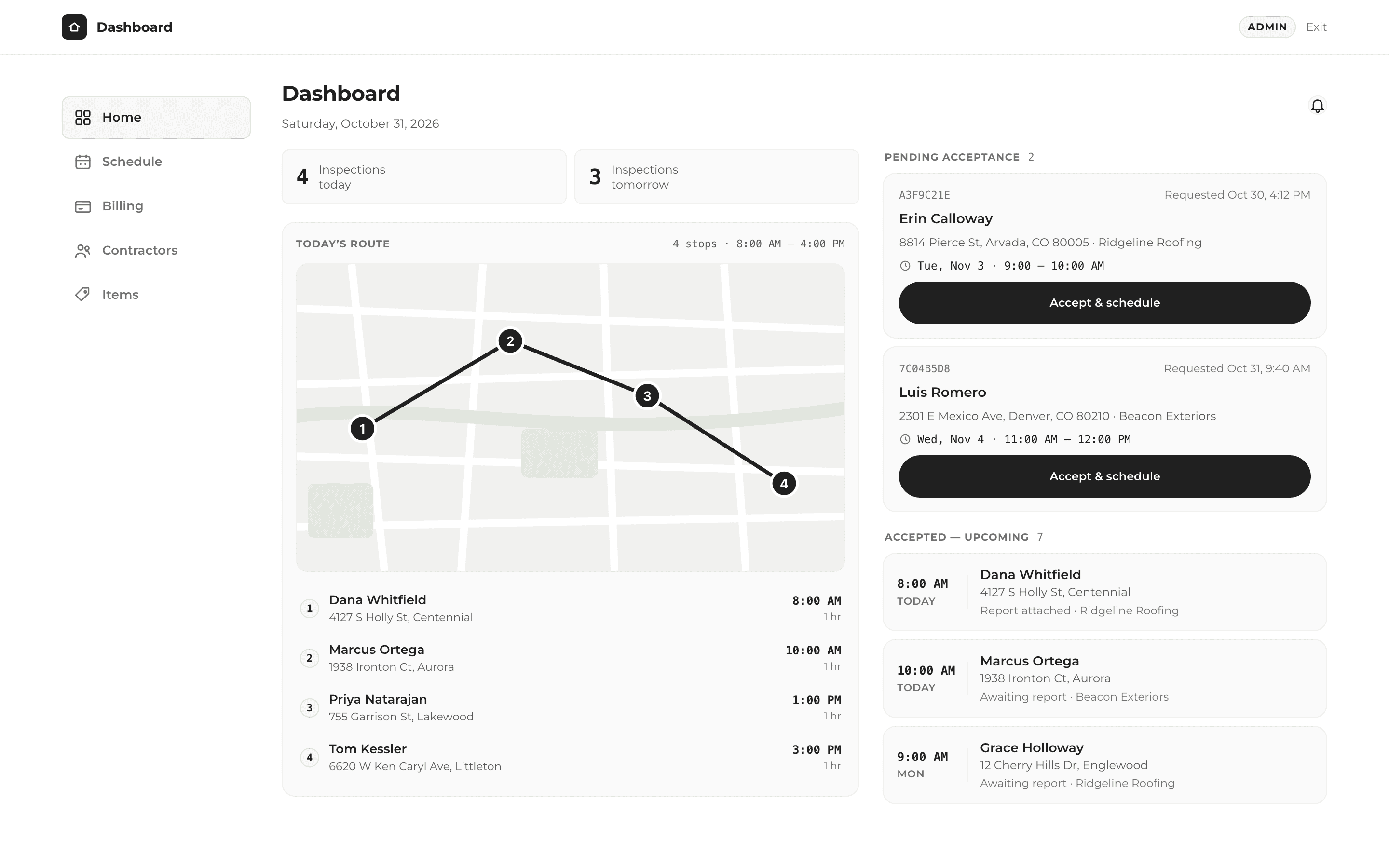
One click to finish the job, send the report and get paid.
A roof inspection company now takes bookings, runs its day and bills contractors from one custom app, built in 14 days.
Retail · Portals · Internal Tools
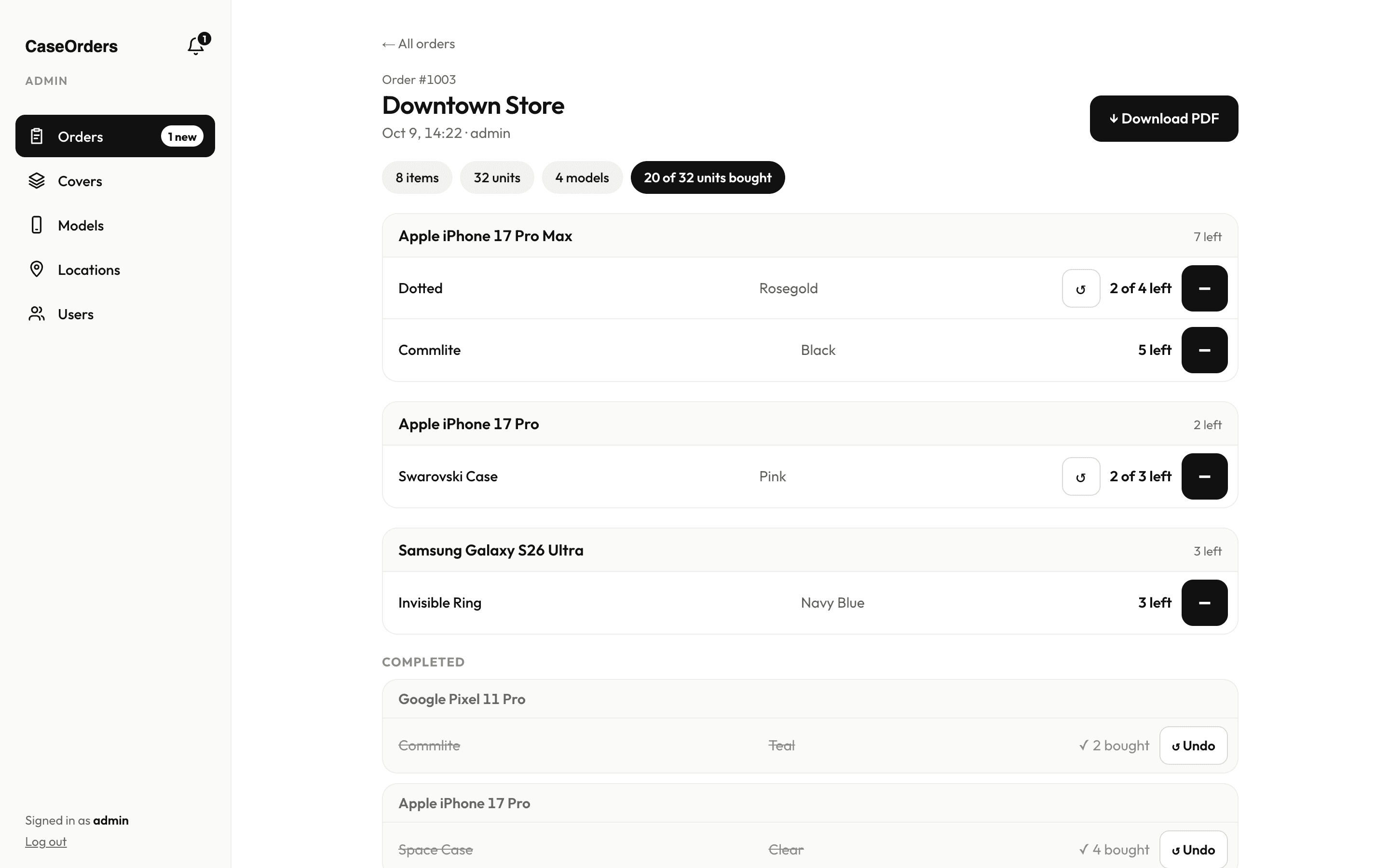
Store stock orders in one place. Not in group chats and spreadsheets.
A Canadian phone-case retailer now gets every store's stock order in one app, picked from a catalog of 85 phone models and 23 cover types. The app went live 3 days after the first build.
Have a problem like this one?
A free 30-minute call. We'll look at how you work today and map out what could change.